How UK Players Are Turning to Cryptocurrency: A 2026 Guide to Choosing the Top USDT Casinos Safely
How UK Players Are Turning to Cryptocurrency: A 2026 Guide to Choosing the Top USDT Casinos Safely

Something has shifted in how UK players fund their online betting accounts. Over the past couple of years, I've watched more and more people move away from traditional debit cards and e-wallets toward USDT — the dollar-pegged stablecoin better known as Tether. It's not a passing fad. By 2026, crypto gambling has become mainstream enough that even casual players are asking questions about wallets, blockchain networks, and transaction fees. But with that growth comes risk, and honestly, not every platform accepting USDT deserves your trust. This guide walks through why the trend is happening, what UK-specific rules you need to know, and how to separate the reputable operators from the ones you should avoid entirely.
Why UK Players Are Switching to USDT Casinos
The appeal isn't complicated once you break it down. USDT withdrawals often clear in minutes rather than the three-to-five business days you'd wait with a bank transfer. Fees are typically a fraction of what card processors charge, and there's a layer of privacy that traditional banking simply can't offer. For players who value discretion, not having every gambling transaction itemised on a bank statement matters quite a bit.
The UK Banking Restrictions Problem
Here's something a lot of newcomers don't realise until they hit a wall: many UK banks actively block or flag transactions to gambling merchants. Barclays, Lloyds, and several others have policies that either decline these payments outright or require extra verification steps that can delay deposits for hours. It's frustrating when you're ready to play and your card gets rejected for no clear reason. This is exactly the friction that's pushed players toward crypto — USDT transactions bypass that banking layer entirely, since you're moving funds from your own wallet rather than through a card network that's been told to flag 'high-risk' merchant categories.
What Makes USDT Different from Bitcoin or Ethereum
I get asked this a lot: why not just use Bitcoin? The honest answer is volatility. If you deposit £200 worth of Bitcoin and the price drops 8% before you cash out, you've lost money that has nothing to do with your actual betting results. USDT is pegged roughly 1:1 to the US dollar, so what you deposit is what you can reasonably expect to withdraw, minus network fees. For bankroll management, that predictability is genuinely valuable — you're gambling on the games, not on crypto market swings.
Is Crypto Gambling Legal for UK Players?
This is where things get murky, and I want to be upfront about it. The UK Gambling Commission licenses operators that accept traditional currency and, increasingly, some crypto-friendly platforms operating under UKGC oversight. However, a large number of USDT casinos operate offshore, licensed instead by jurisdictions like Curacao. These sites aren't necessarily illegal for UK residents to use, but they fall outside UKGC consumer protections. That means no Financial Ombudsman recourse, no mandatory self-exclusion schemes tied to GAMSTOP, and limited legal standing if a dispute arises. Understanding this grey area isn't optional — it's the foundation for making an informed decision about where you play.
Key Safety Criteria When Choosing a USDT Casino
Once you've accepted the legal landscape, the next step is filtering platforms by actual safety indicators rather than flashy welcome bonuses.
Licensing and Regulation
Even offshore licenses aren't created equal. A Curacao license, while common, offers relatively light oversight compared to Malta Gaming Authority licensing, which requires stricter financial audits and player fund segregation. Always check the license number against the regulator's public database — legitimate operators display this information clearly, usually in the site footer.
Security Measures and Fair Play Certification
Look for SSL encryption on every page, not just the login screen. Beyond that, provably fair systems let you verify game outcomes weren't manipulated, and independent auditing from organisations like eCOGRA adds another layer of accountability. If a casino can't show you any of this, that's a red flag worth taking seriously.
How to Identify the Top USDT Casinos in 2026
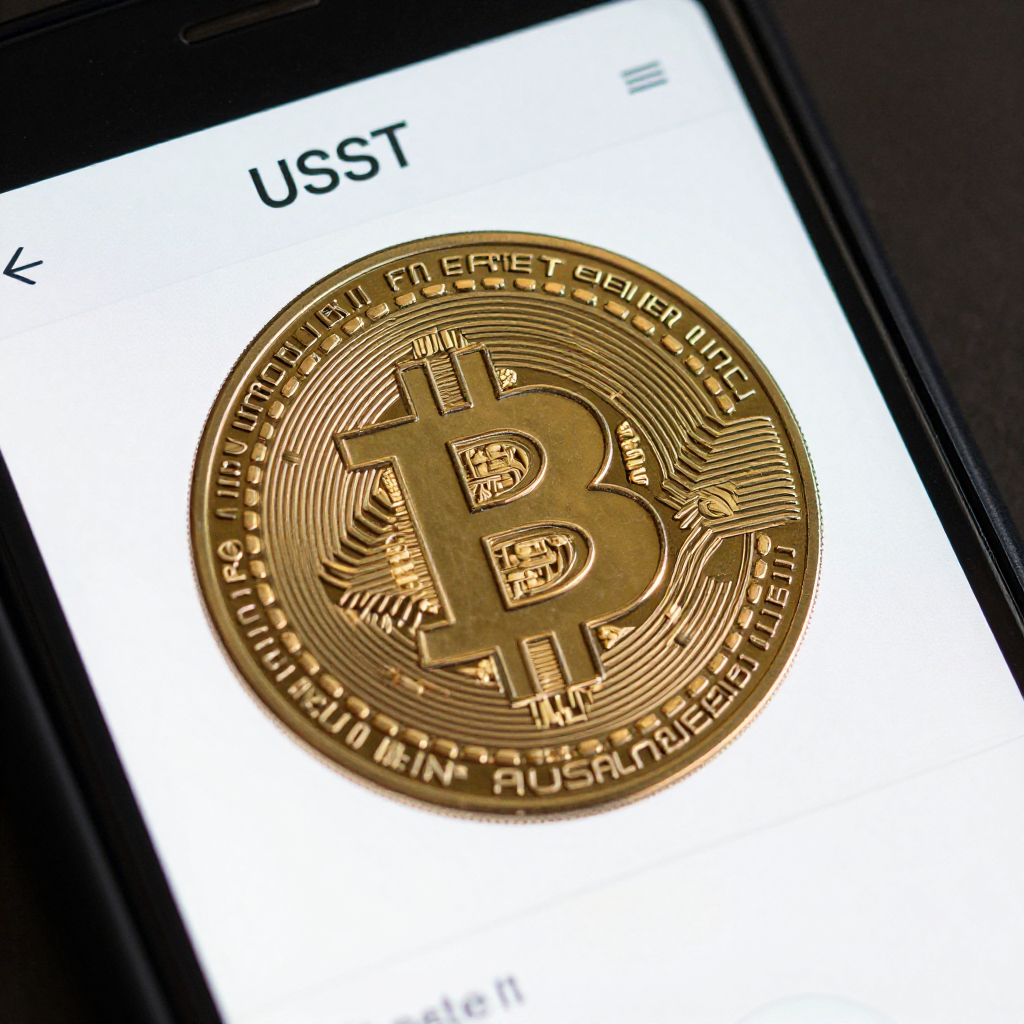
Beyond licensing, a few practical factors separate genuinely good platforms from mediocre ones. Withdrawal speed is a big one — the best sites process USDT payouts within 30 minutes to a few hours, not days. Game variety matters too; look for a mix of slots, live dealer tables, and provably fair originals rather than a thin catalogue padded with duplicate titles. Bonus transparency is another key signal — clear wagering requirements stated upfront beat vague terms buried in fine print. And responsive customer support, ideally with live chat available around the clock, tells you a lot about how seriously an operator takes player experience. For anyone wanting to skip the trial-and-error phase, resources like top usdt casinos can help narrow down vetted platforms based on updated reviews and safety scores, saving you the legwork of testing sites yourself.
Step-by-Step Guide to Depositing and Withdrawing USDT
If you're new to crypto entirely, this part can feel intimidating. It really isn't once you've done it once or twice.
Setting Up a Crypto Wallet
You'll need a wallet that supports USDT before doing anything else. Trust Wallet and Binance are popular choices among UK players. The critical detail here is network compatibility — USDT exists on multiple blockchains, and TRC-20 (Tron network) is generally cheaper and faster than ERC-20 (Ethereum network). Casinos usually specify which network they accept, so double-check before sending funds, because sending USDT on the wrong network can result in permanently lost money.
Making Your First Deposit and Withdrawal
Deposits on TRC-20 typically confirm within a minute or two, with fees often under $1. Withdrawals follow a similar timeline once a casino approves your request, though some platforms add manual review delays for larger amounts. A common pitfall is underestimating network fees when withdrawing small sums — if you're only cashing out $10, a $2 fee eats into your winnings noticeably. Always check the minimum withdrawal threshold before you deposit.
Common Mistakes UK Players Should Avoid
- Skipping KYC verification early, then getting locked out of withdrawals later when the casino suddenly requires it
- Storing large balances directly on exchange wallets instead of secure personal wallets with two-factor authentication
- Chasing bonuses on unregulated sites without reading wagering terms, only to find withdrawals are effectively blocked
- Trusting platforms based solely on social media hype or affiliate marketing without checking licensing independently
- Ignoring UK-specific consumer protection gaps when playing on fully offshore, unregulated crypto casinos
The bottom line for UK players exploring USDT casinos in 2026 is simple: the technology genuinely solves real problems — banking restrictions, slow withdrawals, high fees — but it doesn't remove the need for diligence. Verify licensing before depositing a single pound's worth of USDT, understand exactly where you stand legally given the offshore nature of many platforms, and lean on trusted, updated resources rather than guesswork when narrowing down where to play. Crypto gambling isn't going anywhere, and if anything, it'll keep evolving as UK regulation catches up. Stay informed, gamble responsibly, and treat safety research as seriously as you'd treat any other financial decision.