How Crypto Casinos in the UK Are Funding Green Energy Innovation: The Rise of Biogas-Powered Data Centres and Sustainable Gambling Platforms in 2026
How Crypto Casinos in the UK Are Funding Green Energy Innovation: The Rise of Biogas-Powered Data Centres and Sustainable Gambling Platforms in 2026
I've been following the UK's online gambling sector for years, but I never expected to write a piece about anaerobic digestion tanks and server farms in the same breath. Yet here we are in 2026, watching one of the most energy-hungry corners of the internet—crypto casinos—quietly become an unlikely champion of renewable innovation. Between mounting regulatory pressure and a genuinely competitive push to look (and act) greener, UK-licensed platforms are pouring money into biogas-powered computing. It's an odd but fascinating pairing: blockchain dice games funding farm waste-to-energy projects.
The Energy Problem Behind Crypto Gambling
Crypto casinos aren't just websites with a payment gateway bolted on. Every spin, hand, and roll needs to be verifiably fair, which means constant cryptographic hashing, blockchain confirmations, and round-the-clock server uptime across multiple jurisdictions. That's a lot of silicon working overtime. Add in the volatility of crypto markets pushing more transactions through exchanges and wallets tied to these platforms, and you get a computing load that rivals small-scale crypto mining operations.
UK regulators haven't ignored this. Throughout 2026, both the Gambling Commission and environmental watchdogs have started asking pointed questions about the energy sourcing behind licensed platforms, especially those built on proof-of-work-adjacent verification systems.
Why Data Centres Are Under the Spotlight
Traditional UK data centres still lean heavily on grid electricity, much of which—despite progress—isn't fully decarbonised. With the government's net-zero targets tightening year over year, digital infrastructure has become an easy, visible target for scrutiny. Gambling platforms, already under a magnifying glass for other reasons, have found themselves doubly exposed: criticised both for problem gambling concerns and for their environmental footprint.
What Is Biogas-Powered Computing?
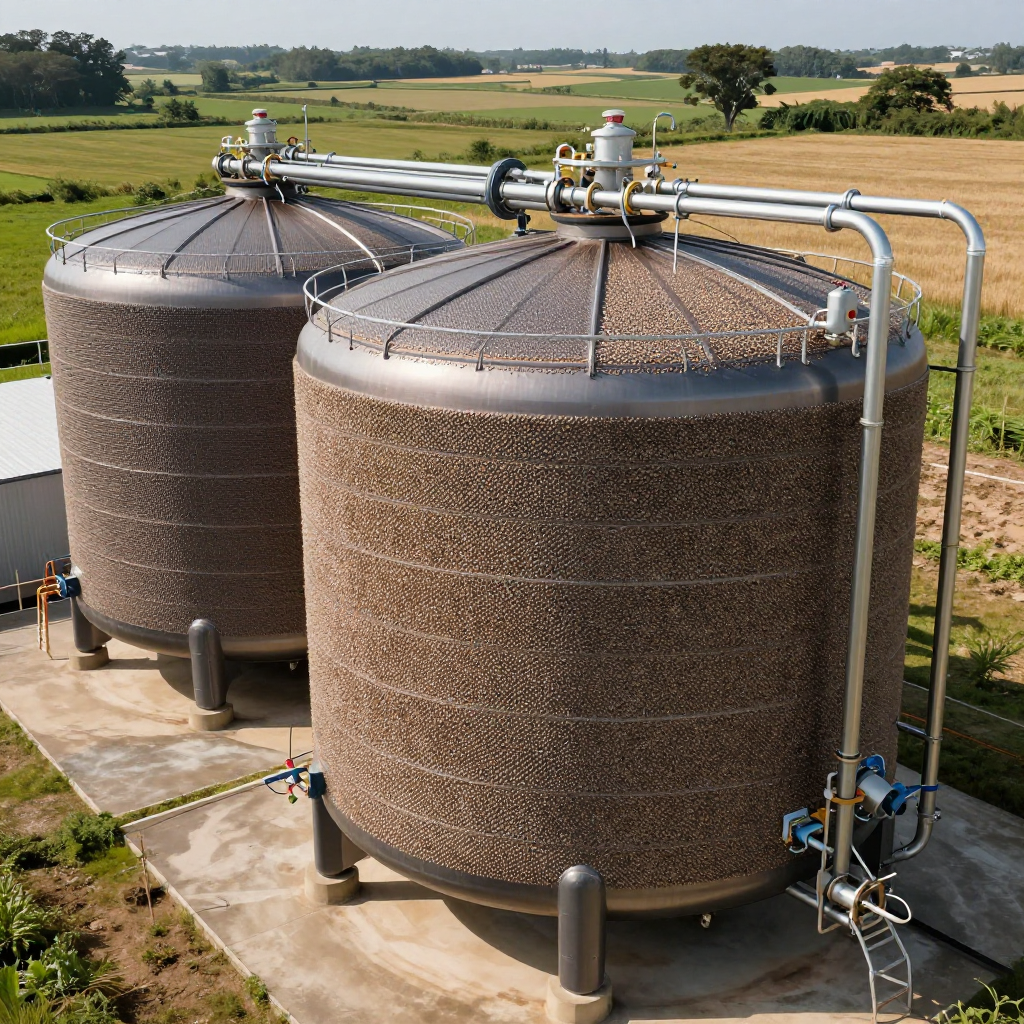
Biogas isn't a new concept, but its application to server infrastructure is fresh territory. In simple terms, biogas comes from anaerobic digestion—organic waste like food scraps, manure, or crop residue gets broken down by microbes in an oxygen-free environment, releasing methane-rich gas that can be burned to generate electricity or heat.
What makes this attractive for energy-intensive industries is the consistency. Unlike solar or wind, which depend on weather, biogas plants can run continuously, making them a genuinely reliable baseload option for facilities that simply cannot afford downtime—like, say, a casino server processing thousands of bets an hour.
From Farm Waste to Server Farms
The technical chain is refreshingly straightforward. Organic waste goes into a digester, methane comes out, that methane fuels a generator, and the electricity produced either feeds directly into an on-site data centre or gets stored for hybrid grid use. What's exciting is how this closed-loop system suits smaller, decentralised setups rather than requiring massive centralised plants. A modest agricultural cooperative with a digester can, in theory, power a mid-sized server cluster entirely off-grid.
How UK Crypto Casinos Are Investing in Green Innovation
This is where things get genuinely interesting. Several UK-licensed operators have started forming partnerships—some formal, some still in pilot stages—with biogas technology developers to explore powering their infrastructure sustainably. A growing number of crypto casinos in the UK are now channelling a slice of their profits into micro-scale biogas research, aiming to offset the substantial energy demands of their server operations. This isn't charity; it's strategic positioning ahead of tighter environmental regulation and a genuine bet that eco-conscious players will reward transparency.
The appeal of micro-scale biogas units specifically is decentralisation. Rather than building one enormous plant, operators can fund or co-develop smaller, distributed digesters closer to their data centre locations, reducing transmission losses and creating a more resilient off-grid power mix.
Case Examples of Green Partnerships
While the sector is still young, illustrative patterns have emerged. Some platforms have partnered with agricultural cooperatives in East Anglia and Yorkshire, regions with abundant farm waste, to co-fund digester construction in exchange for a share of the generated power. Others have linked up with university engineering departments researching micro-digestion efficiency, essentially sponsoring academic research in return for early access to scalable prototypes. A handful of smaller crypto casino startups have gone further, building modest on-site digesters at their UK data centre facilities as proof-of-concept pilots, betting that early adoption will pay dividends in both cost savings and reputation.
Benefits of Sustainable Gambling Platforms
The upside here isn't purely reputational. Operators investing in biogas can potentially tap into UK green energy tax incentives, reduce long-term exposure to volatile electricity prices, and insulate themselves from future carbon levies aimed at digital infrastructure. For players, the appeal is more emotional but no less powerful: choosing a platform that visibly invests in renewable energy feels like a small ethical win in an industry not always known for its social conscience.
Player Trust and Ethical Gambling
I've noticed a shift in how crypto casino communities talk about their preferred platforms. Sustainability credentials are increasingly mentioned alongside payout speed and game variety. In a crowded 2026 market where trust is hard-won, being able to point to a tangible green energy partnership—rather than vague sustainability pledges—has become a genuine competitive differentiator, particularly among younger, crypto-native users who already care about blockchain's environmental reputation.
Challenges and Criticisms
Not everyone is convinced this is more than marketing. Critics rightly point out that biogas, while reliable, can't scale the way solar or wind can, and many of these 'green partnerships' remain small pilot projects rather than full infrastructure overhauls. There's also the ever-present risk of greenwashing—funding a modest digester project while the bulk of server capacity still runs on standard grid power doesn't erase the underlying footprint. Add in the UK's still-evolving regulatory stance on crypto gambling itself, and you've got an industry trying to build environmental credibility on somewhat shaky ground. Whether current investment levels are substantial enough to matter remains an open question.
The Future of Green Crypto Gambling in the UK
Looking toward 2030, I expect hybrid renewable grids—combining biogas, solar, and battery storage—to become the norm for ambitious data centre operators. Blockchain-based carbon tracking could allow players to verify, in real time, exactly how much renewable energy powered their session, adding a layer of transparency that's currently missing. If UK regulators introduce clearer incentives or mandates around digital infrastructure emissions, adoption could accelerate rapidly, turning what's now a niche experiment into an industry standard.
What we're witnessing in 2026 is genuinely unusual: an industry often criticised for excess quietly becoming a testing ground for decentralised renewable energy. Biogas-powered data centres are still a developing solution, not a finished one, but the direction is clear. As UK crypto casinos continue funding micro-scale biogas research and forming partnerships with agricultural and academic communities, they're inadvertently helping prove out a model that could benefit far more than just online gambling. Whether it's enough to satisfy regulators and sceptics remains to be seen, but the convergence of high-stakes betting and low-carbon innovation is one of the more unexpected—and hopeful—stories in UK tech this year.